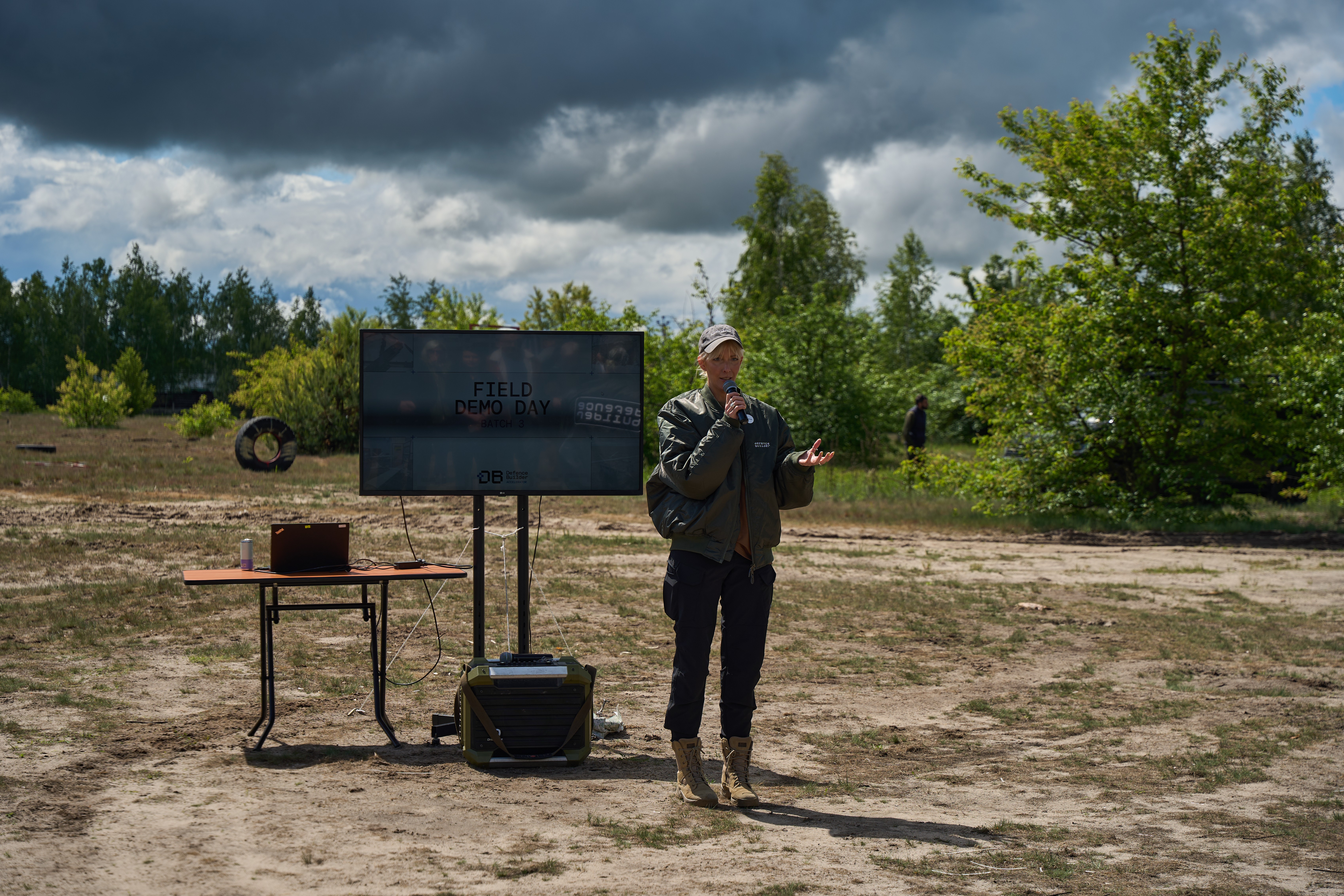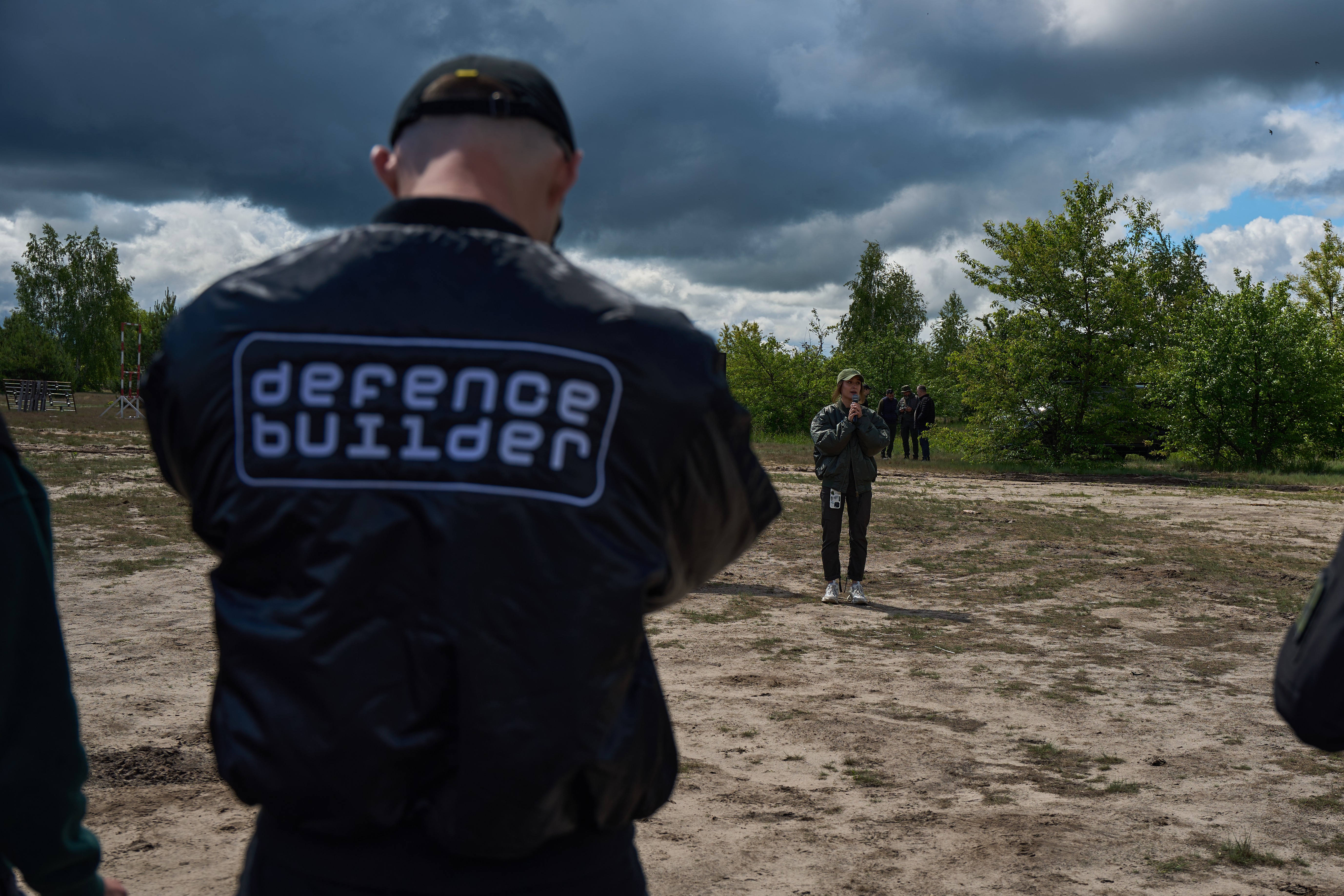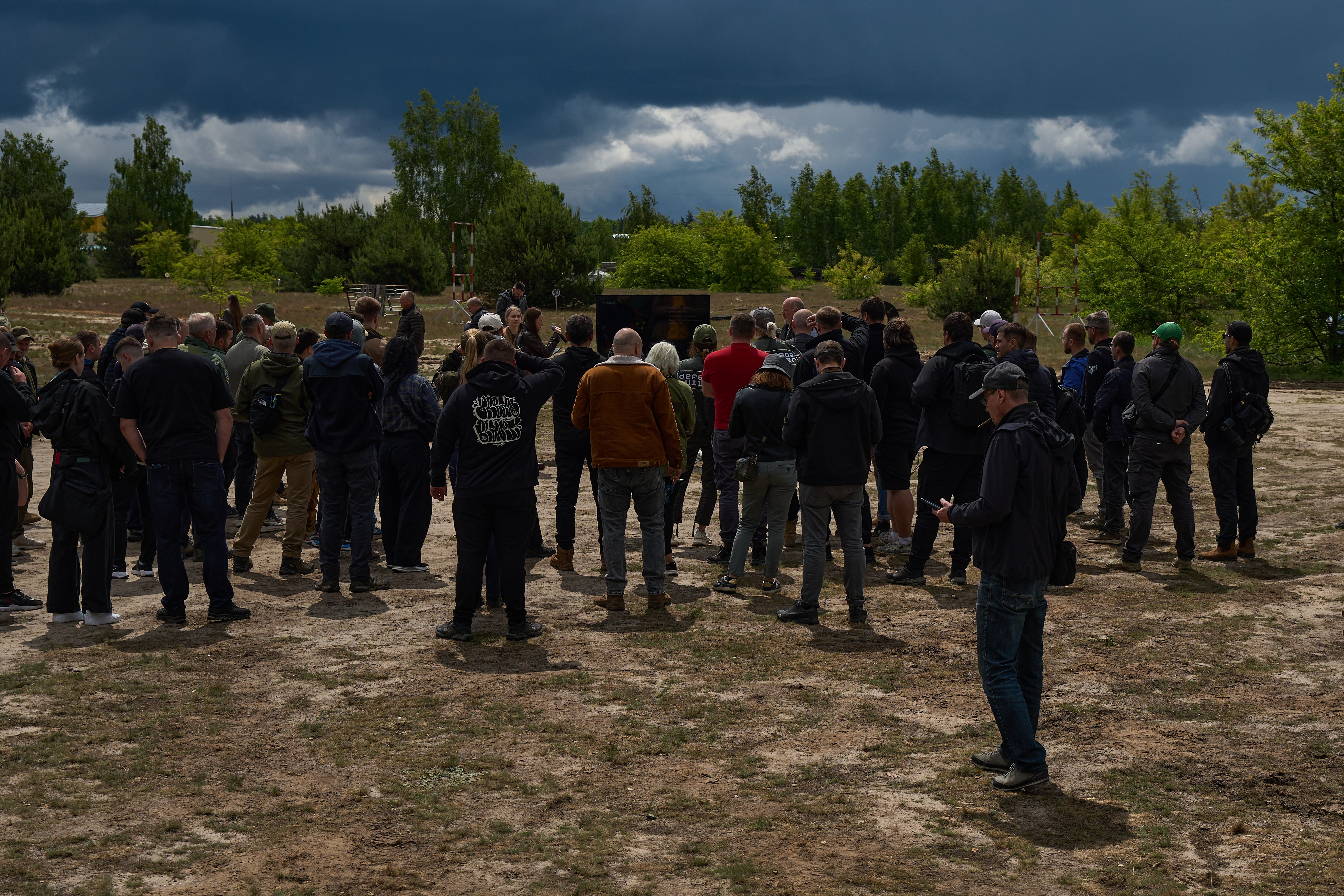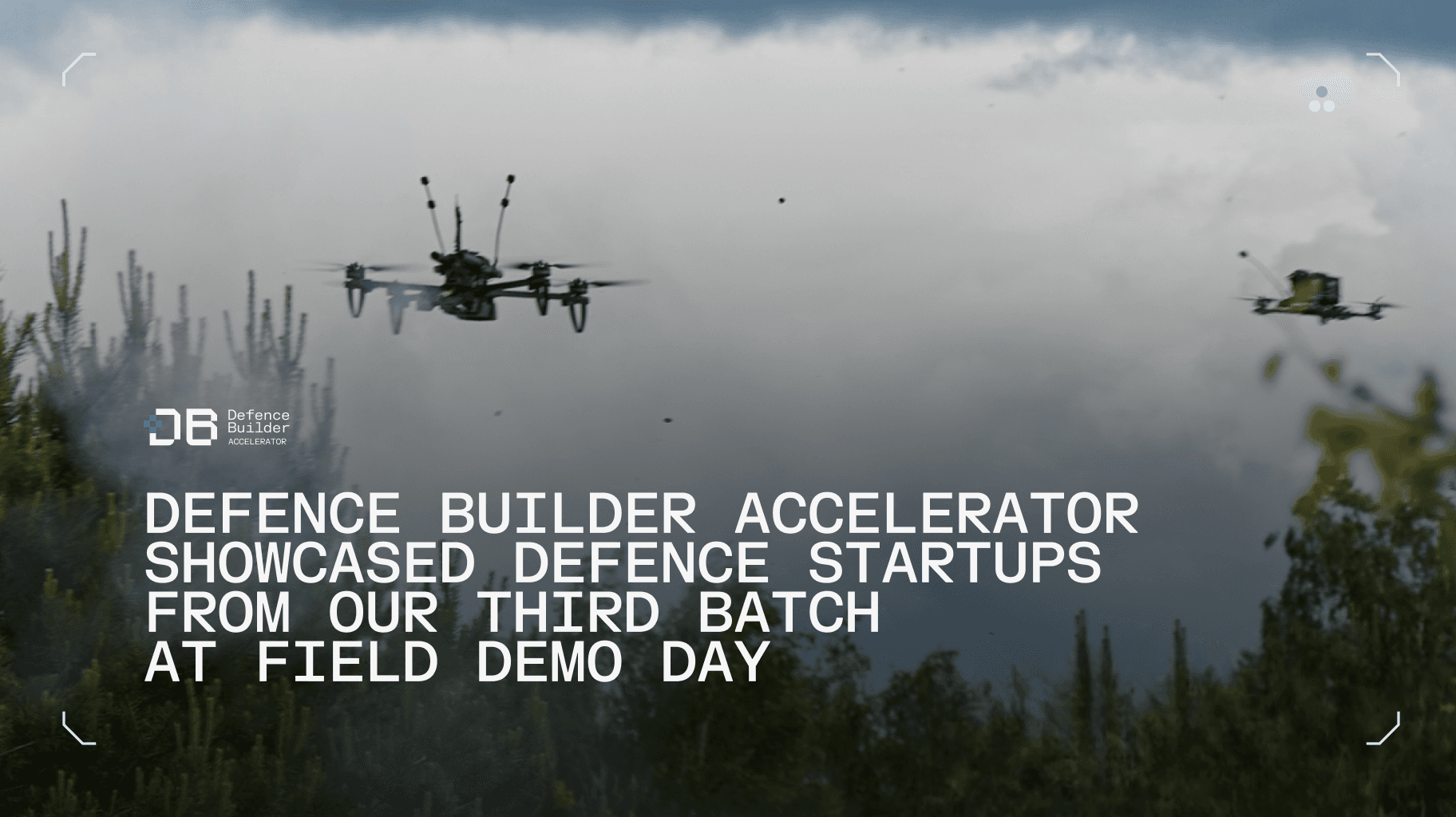

Defence Builder Accelerator held its Field Demo Day, where eight defence startups underwent field testing in front of 80 military commanders representing all branches of the armed forces, as well as NATO representatives. The objective of the Field Demo Day was to evaluate solutions in real operational conditions, gather direct feedback from military end-users, and assess the potential for integration between independent technologies, as it is their interoperability that enables advanced offensive and defensive capabilities.
The frontline is not only where our defenders hold the line; it also runs through every laboratory, workshop, and laptop. The goal of our acceleration programme is to shorten the path from idea to battlefield as much as possible, because time costs lives. The most effective way to achieve this is by working side by side with military personnel directly in the field. The next step is to focus on systems that are compatible with NATO standards and to help our companies evolve from recipients of global support into key contributors to the security architecture of our allies,” said Line Rindvig, CEO of Defence Builder Accelerator.
The programme’s third batch has now been running for three and a half months. During this period, eight Ukrainian and European startups have adapted their solutions to meet real frontline requirements through a programme that combines both technical and business development tracks. At the Field Demo Day, participants showcased both scalable, deployment-ready systems and promising concepts in the areas of situational awareness and counter-air threat capabilities.
The defence industry is evolving at an unprecedented pace. The number of defence companies in Ukraine has already reached 1,500, and alongside major corporations, startups are playing an increasingly significant role. Our teams are here to receive direct feedback from military users and transform it into scalable solutions in the shortest possible timeframe,” said Yana Shkvarovska, COO of Defence Builder Accelerator.
Technology domains and team solutions
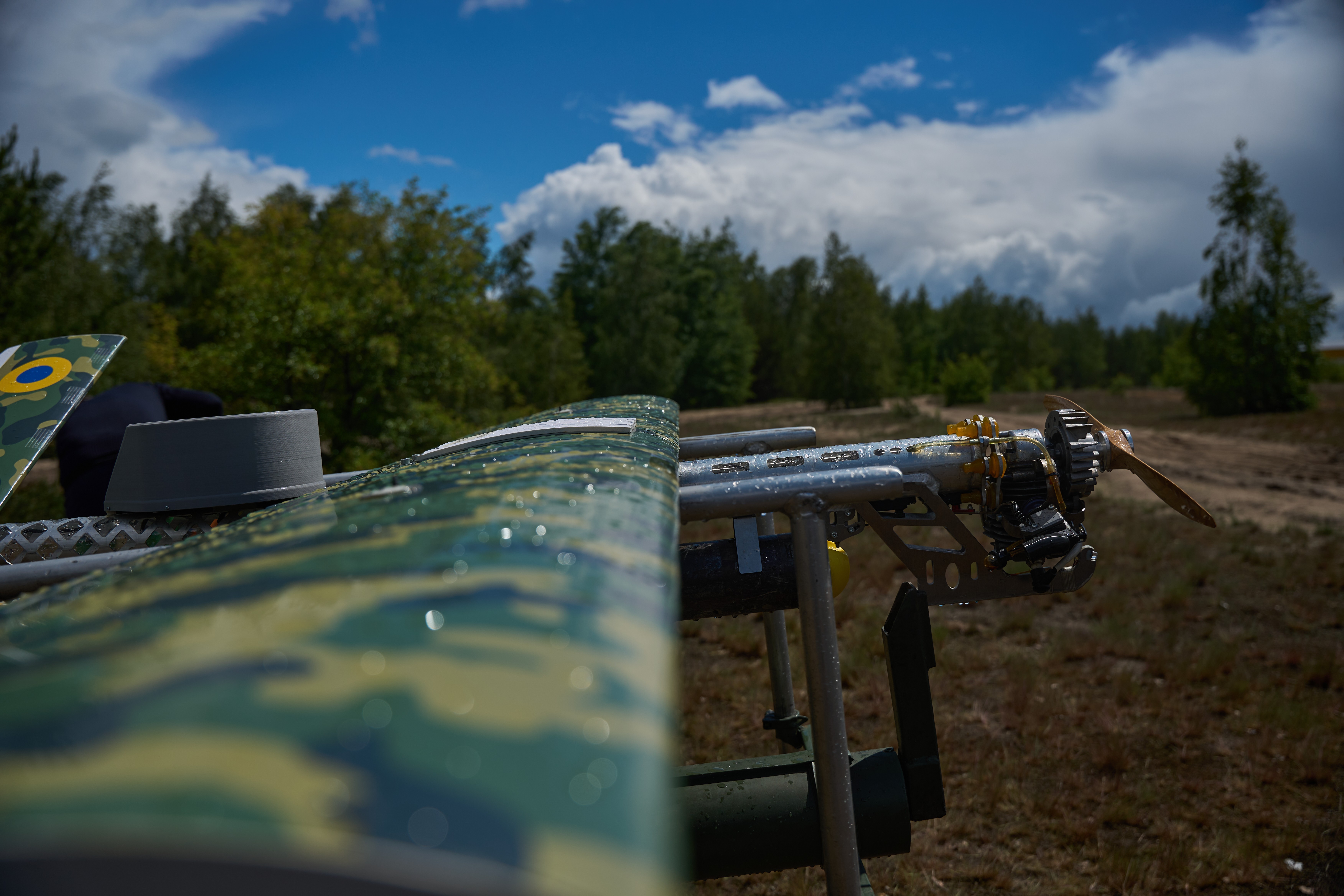
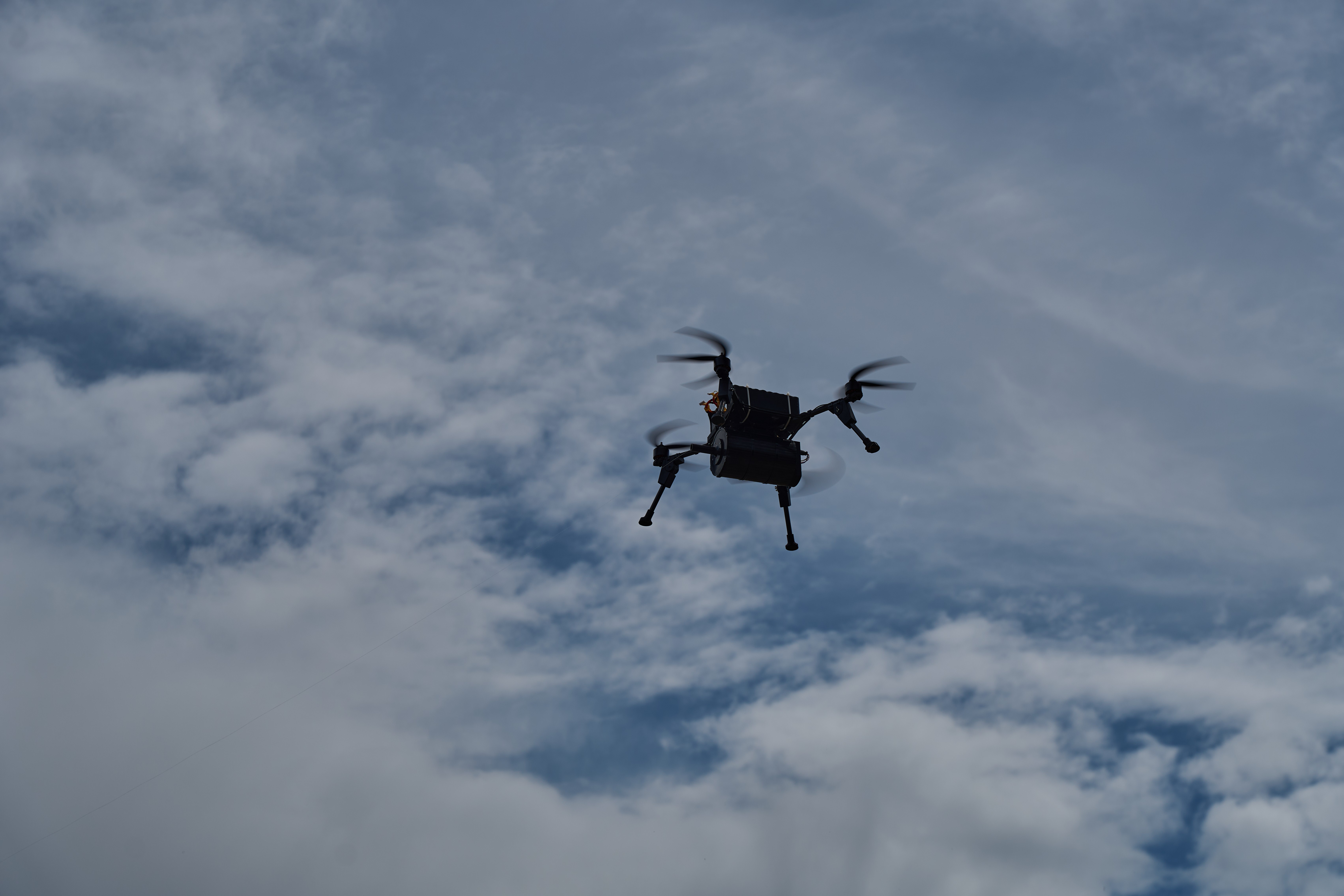
Unmanned aerial systems and autonomy technologies. Teams presented operational solutions designed for deep-strike missions and operations in contested electronic warfare environments. Wingtech showcased the HABA multi-purpose bomber drone, which has a flight range of up to 600 km and is currently being adapted to serve as a carrier platform for FPV drones. AI developer Trident presented its Trident LMT (Last Mile Targeting) autonomous guidance module – a 200-gram system that uses artificial intelligence to guide a drone to its target independently, even in the event of a complete loss of communication.
Situational awareness and counter-air threat solutions. A range of enemy detection and passive protection systems were presented in a static exhibition format. Fremen introduced an onboard survivability kit for heavy UAVs capable of detecting signals emitted by hostile FPV drones. Frostworks showcased Veles, a distributed acoustic sensor network designed for the early detection of low-altitude aerial threats. Danish team Blue Shadow presented Blue Dragon, a system for monitoring airborne threats over the Black Sea. Meanwhile, Nebostrazh unveiled a concept for a multisensor drone detection and kinetic interception system powered by a unified AI-driven command architecture.
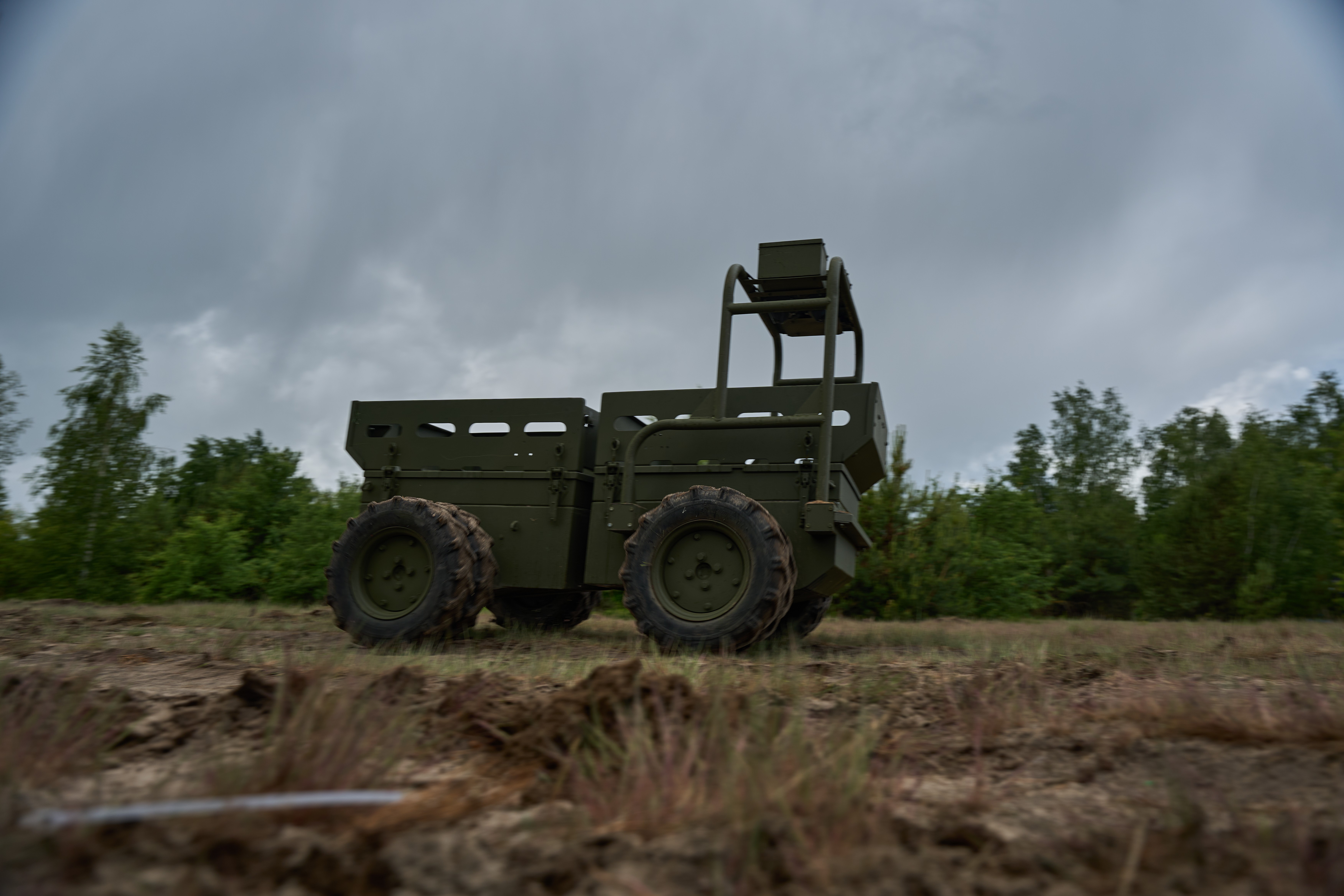
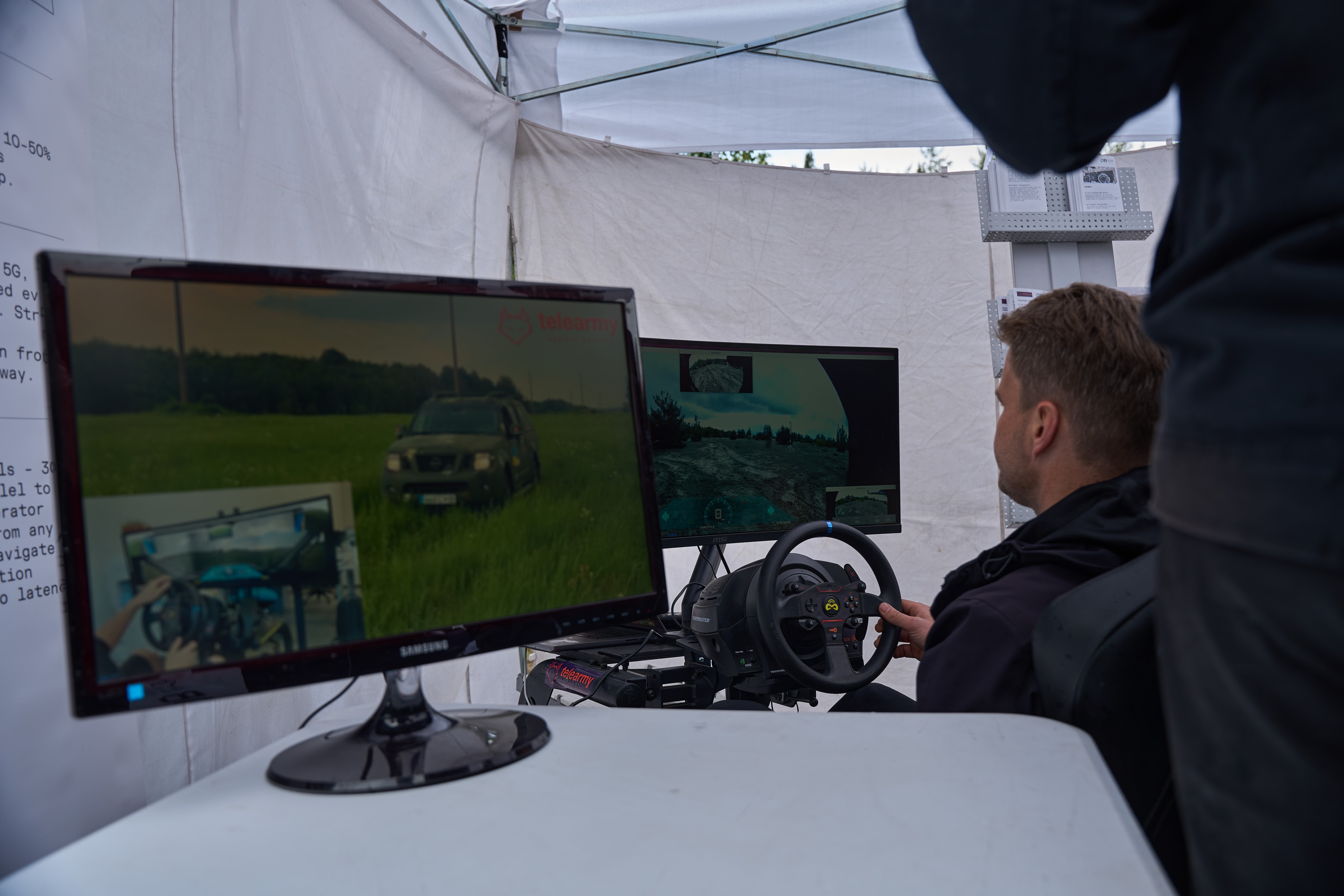
Ground domain and vehicle robotics. Solutions in this category were demonstrated live at the venue. In particular, the Taurex universal robotic system was presented during the trials. It is capable of carrying up to 300 kg of payload and demonstrates high off-road mobility thanks to its airless wheels and articulated frame. Estonian-Ukrainian team Telearmy demonstrated its remote vehicle operation technology using both a BRDM armored reconnaissance vehicle and a Nissan off-road vehicle. The system operates through parallel communication channels, has been successfully tested at speeds of up to 157 km/h, and has achieved a recorded stable control range of 4,300 km.
The key value of Defence Builder Accelerator’s Field Demo Day was the creation of direct working connections between engineers and military end users. For participating teams, the most important outcome was the opportunity to receive detailed technical feedback and operational assessments directly from practitioners with real-world deployment experience.