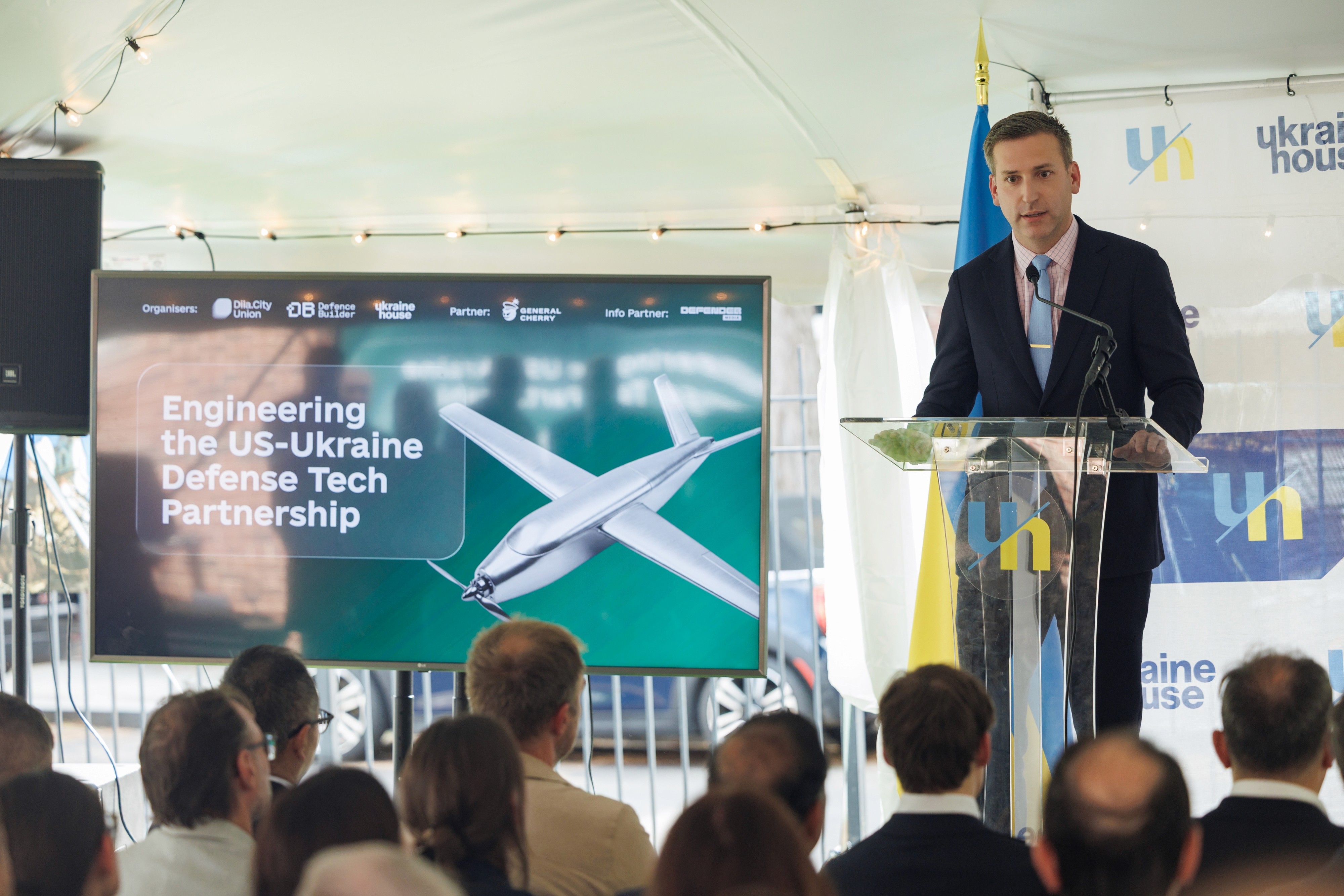

Defence Builder, Diia.City Union, Ukraine House and General Cherry convened a dedicated forum on Ukraine's combat-proven defence technology sector on May 5 in Washington, D.C., bringing together over 100 investors, senior policymakers, and defence industry executives. The discussion centred on how Ukrainian defence technology — developed and tested under live combat conditions — can meet growing allied demand at a time when global military expenditure has hit $2.7 trillion, NATO allies are committing to over $1.5 trillion in additional annual defence spending, and proven technology remains in short supply.
The forum was organized by Defence Builder, Ukraine's integrated defence tech ecosystem, and Diia.City Union, the country's leading tech industry association, with support from General Cherry — a Ukrainian defence tech company that developed a standardized, Ministry of Defence-approved line of FPV drones actively deployed by the Armed Forces of Ukraine. Ukraine House served as a host partner.
The forum drew senior representatives from U.S. defence investment funds, the Department of War, the Department of State, congressional offices, and the U.S. defence industrial base, alongside Ukrainian defence tech founders with products in active frontline deployment.
Opening the forum, Matthew Bush, Principal of Strategic Initiatives at the Defense Innovation Unit (DIU), and Oksana Markarova, Advisor to the President of Ukraine on Reconstruction and Development.
"Innovation in Ukraine is not only helping us do things better — it is helping us defend ourselves. We are fighting for our people and our land, but also for freedom and democracy everywhere. Everyone who believes in the same values has to win this war. Innovation is the main element of our future success — to win the war, to win the peace, and to build Ukraine into a regional leader and a prosperous country for our citizens, our friends, and our allies."— Oksana Markarova, Advisor to the President of Ukraine on Reconstruction and Development
According to joint research by Defence Builder, KSE Institute and Brave1 Ukraine's defence tech sector is conservatively estimated at $6.8 billion in 2025, with UAV production up 137% year-on-year and the sector projected to reach $690 billion over the next decade. Against a backdrop of $2.7 trillion in global military expenditure and NATO allies committing to over $1.5 trillion in additional annual defence spending, the gap between allied demand and proven technology supply is exactly where Ukrainian companies are positioned.
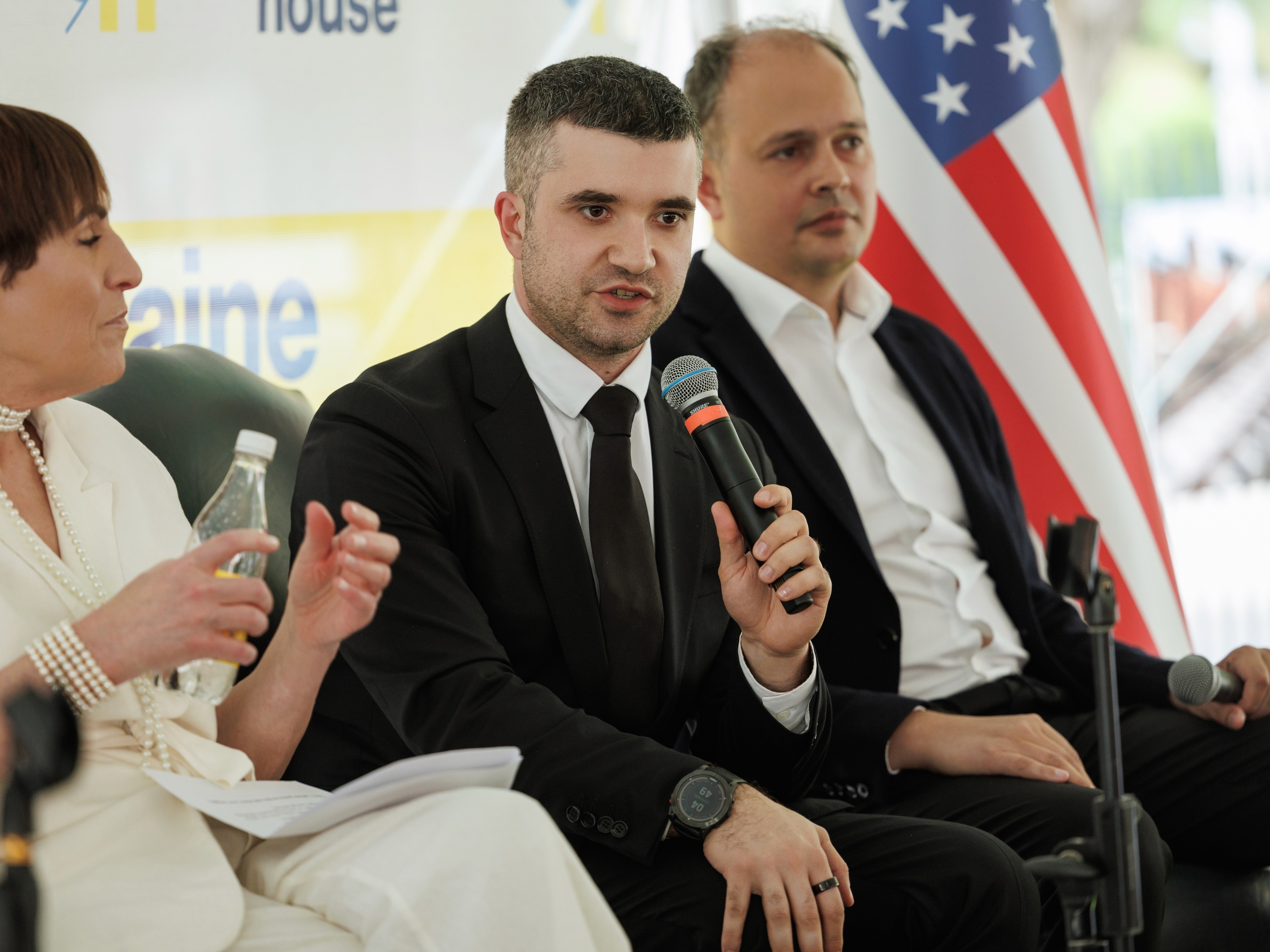
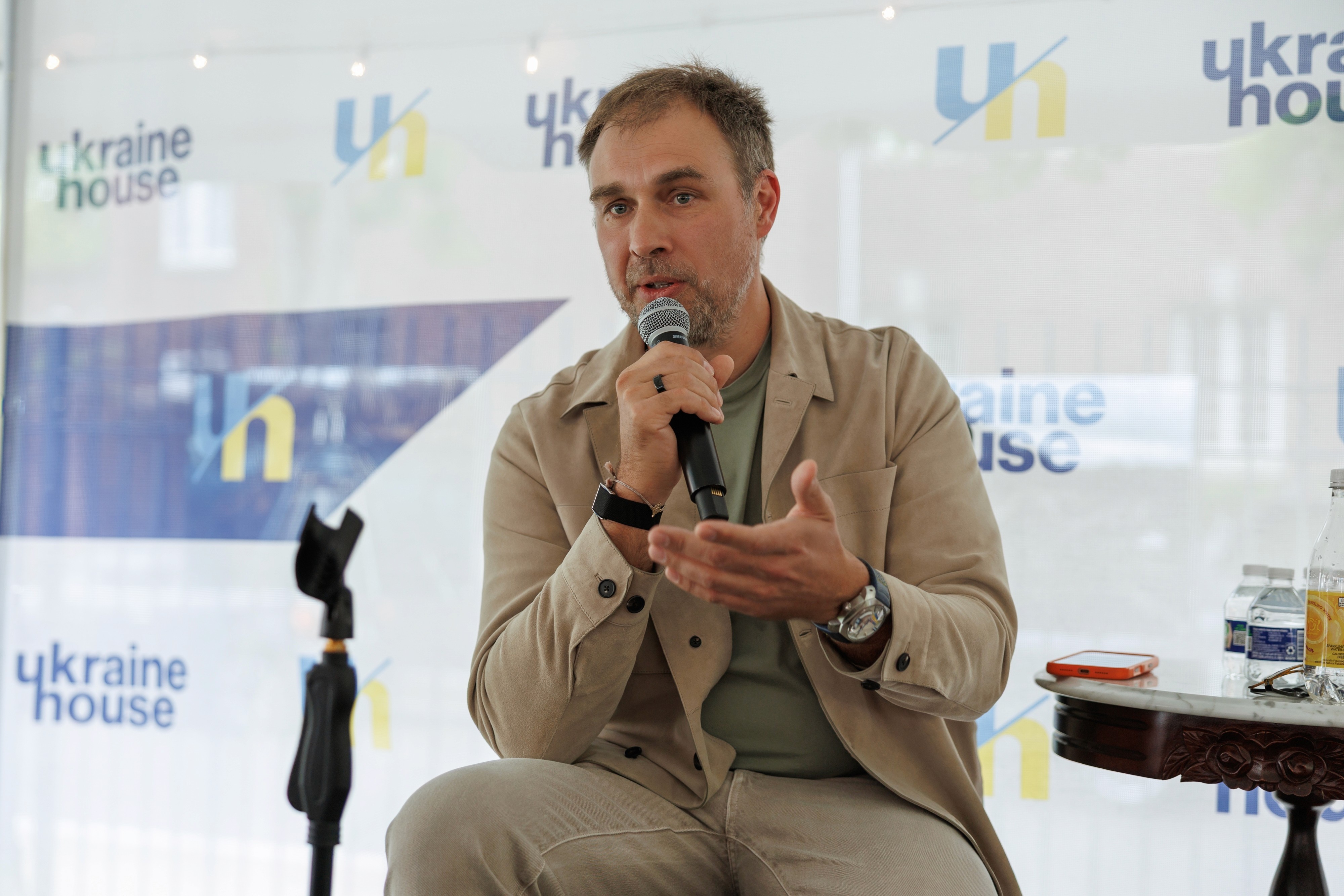
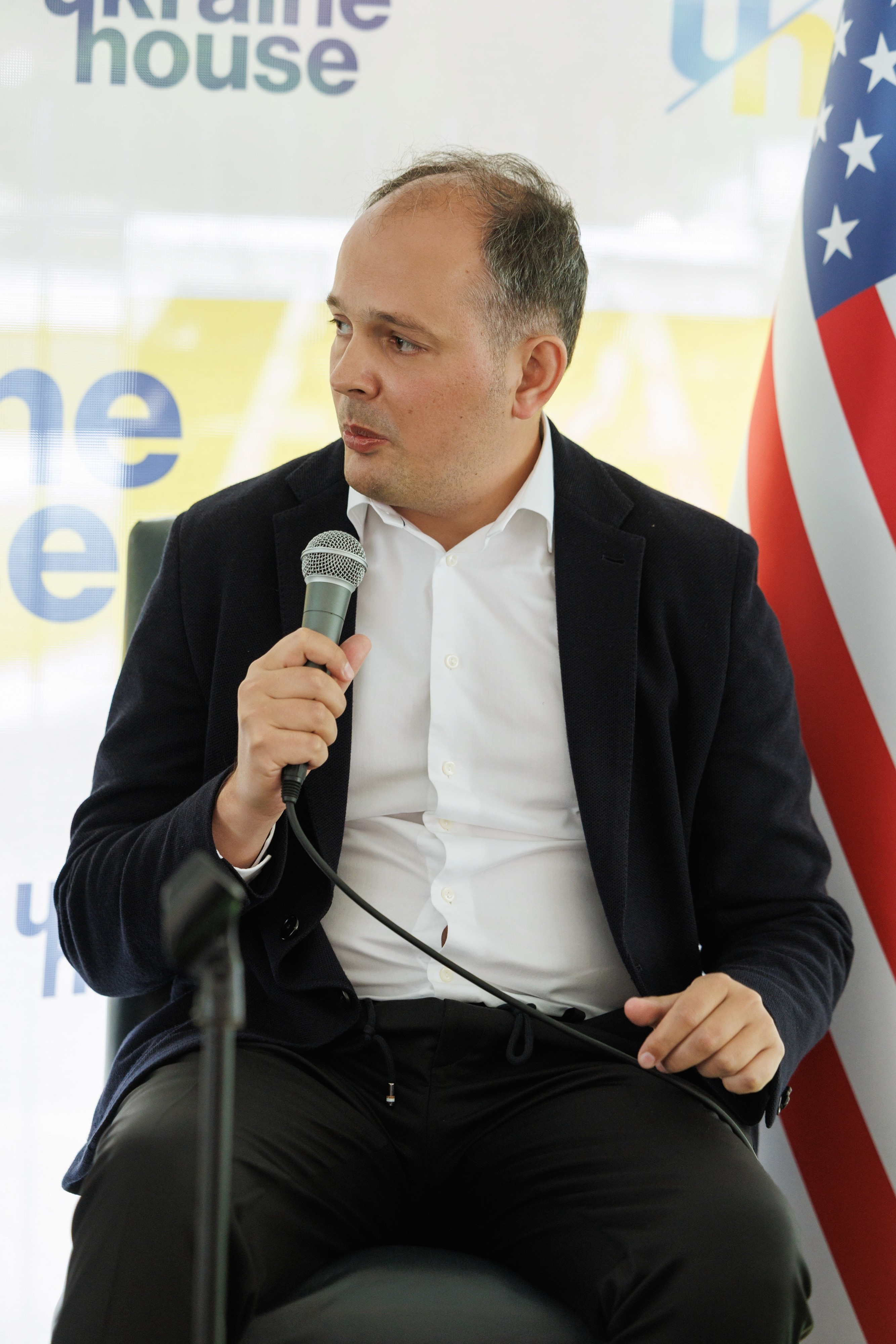
The forum's opening panel addressed how Ukrainian defence companies can convert battlefield advantage into long-term commercial and strategic partnerships — with joint ventures emerging as the primary instrument for entering allied markets. Moderated by Debra Cagan, Senior Adviser at the Atlantic Council's Eurasia Center, the discussion examined what it takes to accelerate that path: from IP structuring and export frameworks to the lessons the global defence industry has yet to absorb from four years of high-tempo warfare.
"Ukraine, on land and in the air and at sea, has become a modern test bed for this new way of war. […] Ukraine's ability to go from a recipient to a world leader — not only in drones, but in the entire suite of electronic warfare — is testament to the innovation and flexibility of a population moving at light speed. Many countries in Europe and now the Middle East have entered into agreements and joint ventures with Ukrainian companies. We would be foolhardy not to learn from this war in our planning for the next one." — Debra Cagan, Atlantic Council.
Stanislav Hryshyn, CEO of General Cherry, spoke to the product reality behind Ukraine's battlefield advantage and the mechanics of scaling internationally.
"We are the first company in human history to use a fiber optic drone to down a Russian Ka-52 — a $16 million helicopter taken out by a $1,200 drone. The operational lifecycle of that drone is three weeks: after that, frequencies change, modules are updated, the product evolves. You cannot just sell hardware. What you are selling is access to an ecosystem tested and rebuilt every day on the front line. Joint ventures are essential for entering any defence market — every country wants this technology to be nationally based, and that means partnering with someone already inside." — Stanislav Hryshyn, General Cherry.
Valery Krasovsky, CEO and Co-Founder of Sigma Software Group and board member of Defence Builder, made the case that Ukrainian defence tech has moved decisively from support narrative to investment opportunity.
"Investing in Ukrainian defence is no longer just support. Buntar Aerospace received investment from Axon Enterprises. Sine Engineering is the company selected for investment from a $150 million Ukraine-U.S. fund. Swarmer is already on the stock exchange. Ukraine's IT sector exports $6–7 billion a year — once defence export is fully open, that figure will double quickly. Defence Builder has already accelerated around 30 companies, all of them working on the front line. The next step is joint ventures — in drones, communications, unmanned ground vehicles, electronic warfare." — Valery Krasovsky, Sigma Software Group & Defence Builder
Vitaliy Goncharuk, CEO of A19Lab, addressed how Ukrainian companies protect and monetize their IP in global markets.
"Ukrainian companies have two advantages no other defence ecosystem can replicate right now: direct access to the battlefield and engineers motivated by something far beyond stock options. The Israel model — structure in the U.S., leverage R&D at home — is the right reference. But if you want to win in the U.S. market, you have to be here and compete on this planet." — Vitaliy Goncharuk, A19Lab
“Today’s event reflects a fundamental shift in how Ukraine is seen globally. Over the course of the full-scale war, Ukraine has undergone a profound transformation of its defense industry. Since the beginning of the invasion, production capacity has increased fiftyfold and Ukrainian companies have developed unique expertise, with technologies created and tested in real-world conditions. This drives speed, adaptability, and growing international interest. And right now we see a clear window of opportunity to move toward joint projects, investment, and long-term cooperation.” — Valeria Kushnerchuk, Diia.City Union.