
From bomber drones to maritime Shahed interceptors: Defence Builder wraps up its third accelerator batch
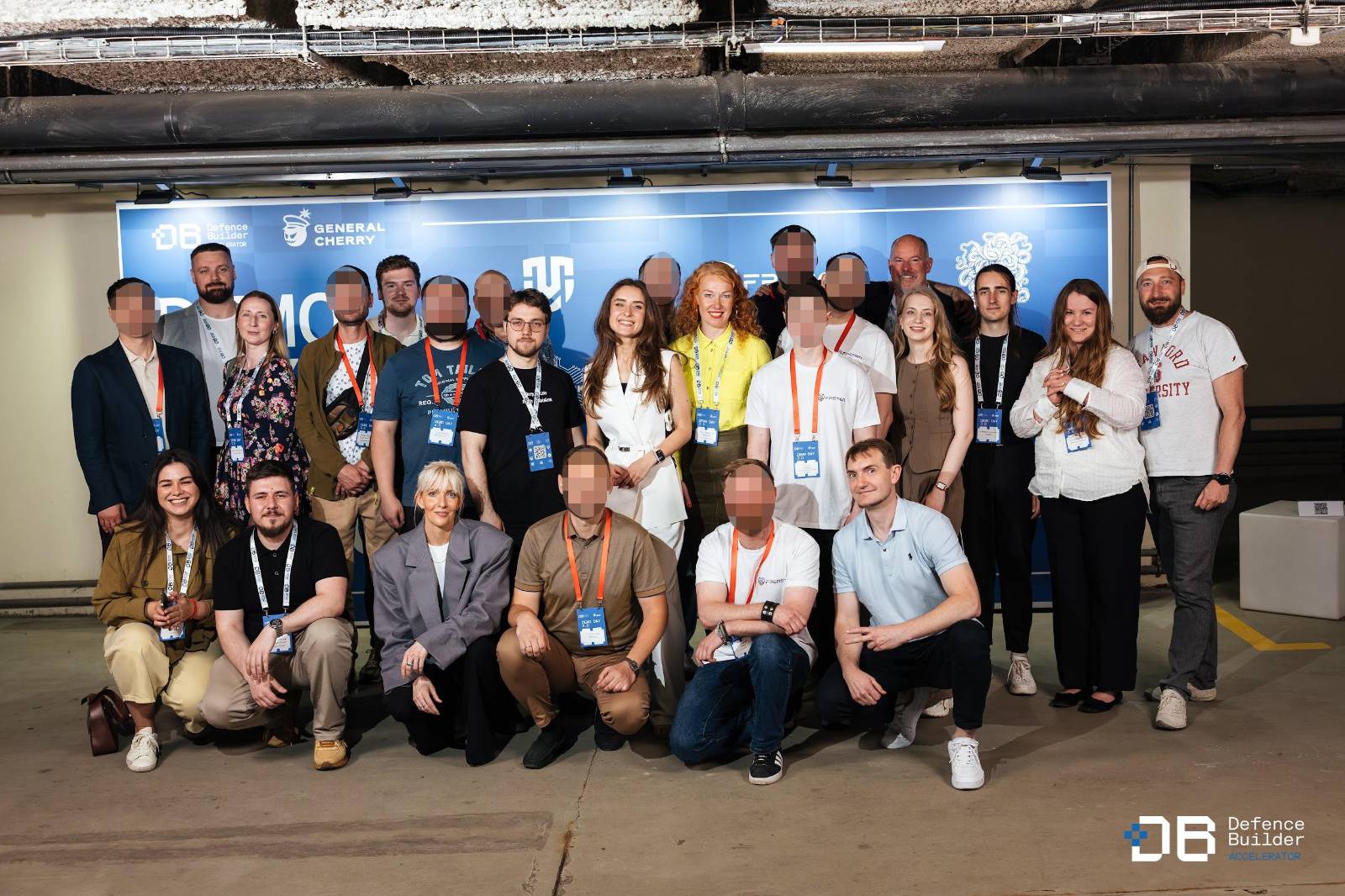
Nine Ukrainian and European defence-tech teams showcased their technologies to investors, military representatives, and international partners at Demo Day 3.0, the culminating event of the third batch of the Defence Builder Accelerator. Participating teams received grants of up to $65,000 from the accelerator and the event’s principal partner, General Cherry, a leading Ukrainian defence-tech company specializing in the development and mass production of advanced unmanned systems.
Demo Day marked the conclusion of a four-month advanced programme during which teams simultaneously built their companies, validated products through testing with frontline military units, and established relationships with leading investors, lawyers, leading defence manufactures State Service for Export Control of Ukraine (SSECU), EU Commissions office in Kyiv, BRAVE1, NATO in Ukraine and key experts across the Defence Builder network. More than 30 mentors with defence and venture capital expertise worked alongside participants throughout the programme.
The business track covered unit economics, legal structures for investment, fundraising, and government procurement. The military track focused on field testing and product verification by military units. A separate track addressed international markets: preparing for due diligence under NATO AQAP standards and studying foreign contractors' partnership requirements in JV and M&A formats.
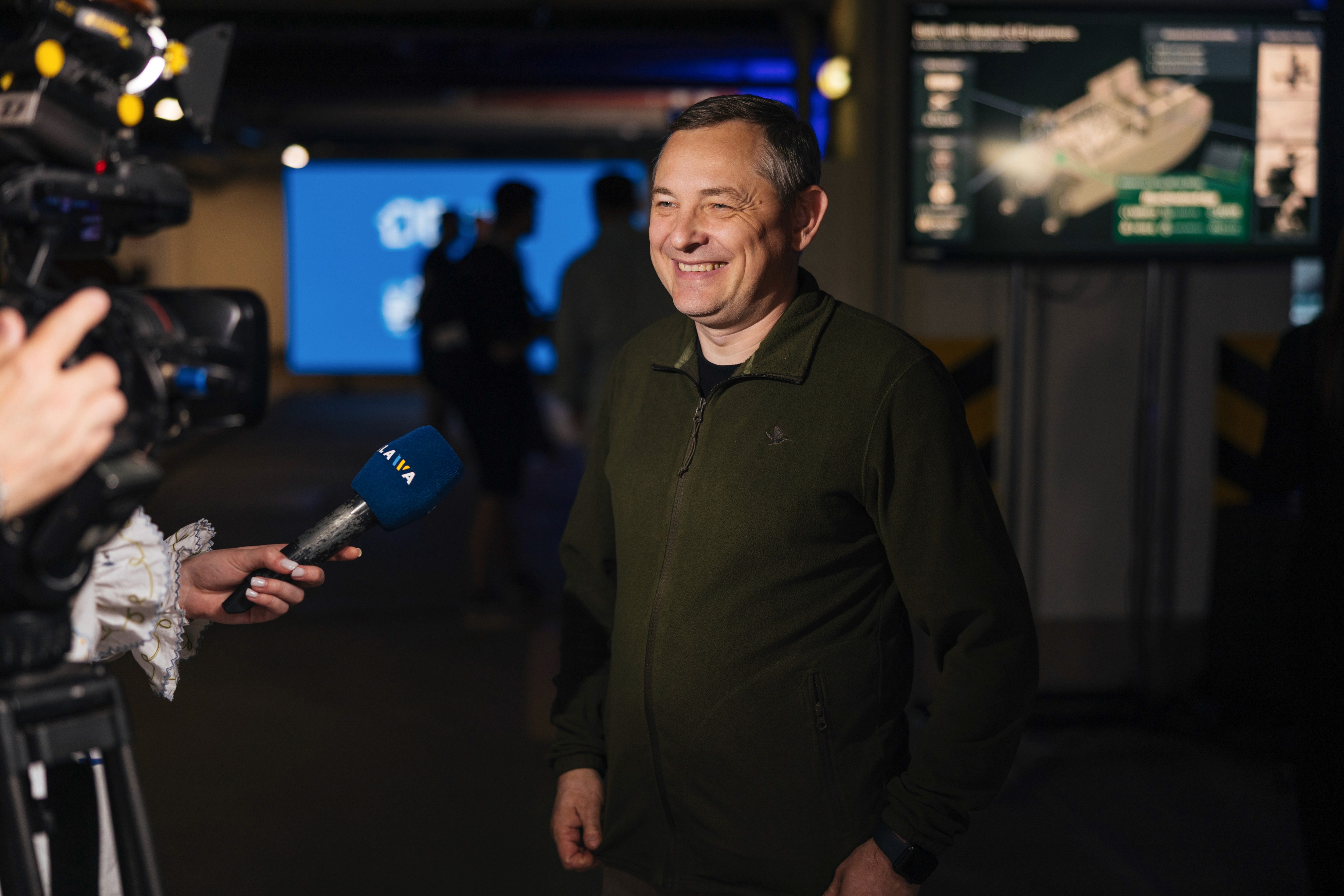
“The frontline, your units, accelerators like Defence Builder, and the wider ecosystem — Brave1, Diia.City, the Build in Ukraine initiative, the Danish model of direct procurement — have shown that you can field, learn, and iterate in weeks, not years. That is a capability in itself, and NATO is studying it closely. So a large part of my responsibilities are to learn from you,” said Will Tonkins, NATO, Industry, Procurement, Innovation and Joint Enabling Domain Adviser.
Since launching in 2024, Defence Builder Accelerator has supported more than 25 companies, while the combined valuation of participants from its first two batches has exceeded $100 million.
“Ukraine already knows how to build defence technologies that solve real battlefield challenges. The greater challenge is turning individual breakthroughs into an industry that will continue to serve the country long after the war ends. That is precisely why the Defence Builder Ecosystem exists: to connect technology, capital, and markets so that strong teams become more than isolated success stories,” said Daria Yaniieva, President of the Defence Builder Ecosystem.
The solutions presented by the third batch complement one another and address three key dimensions of modern warfare. All projects are currently at Technology Readiness Levels (TRL) 3–8.
Strike and autonomous UAVs
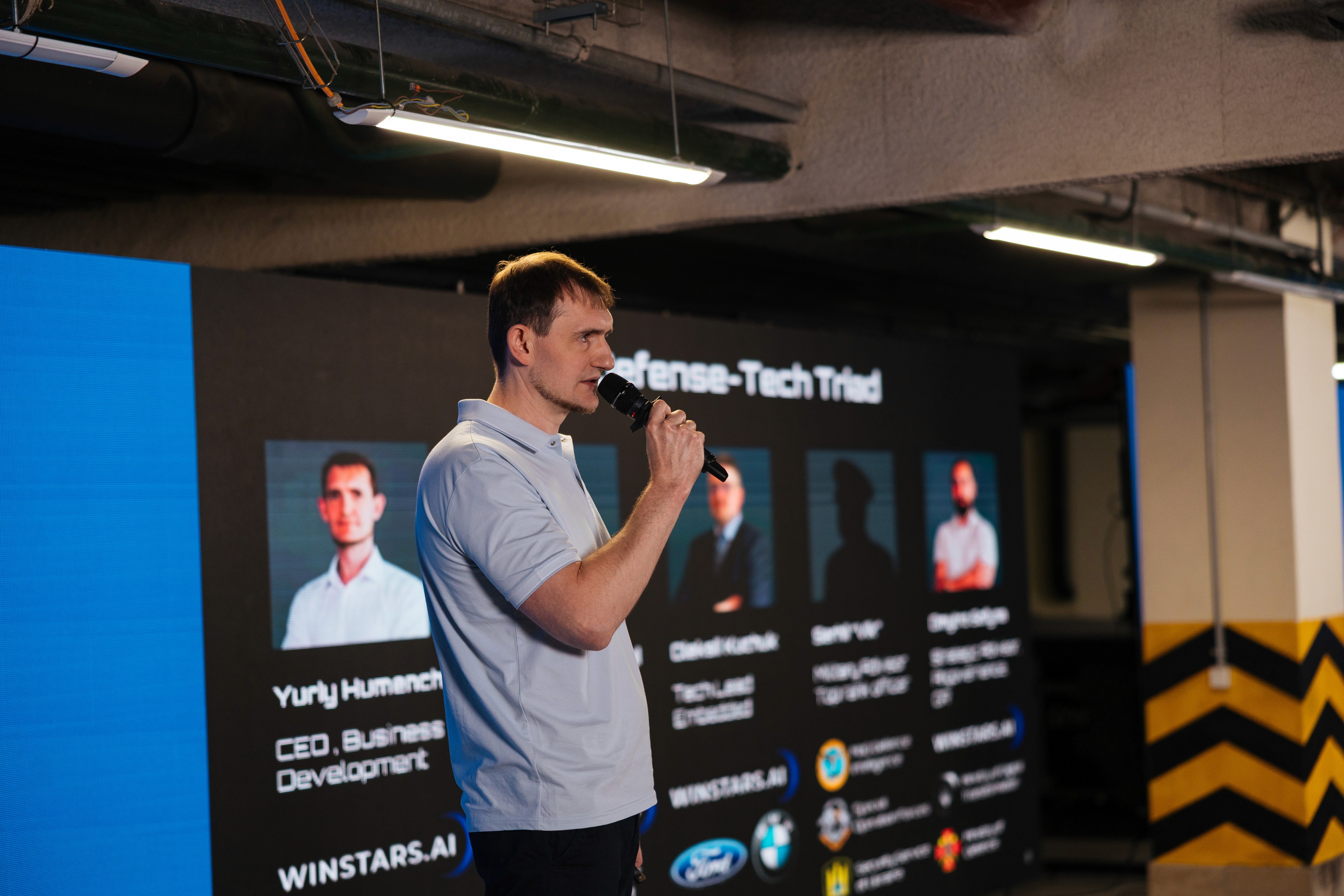
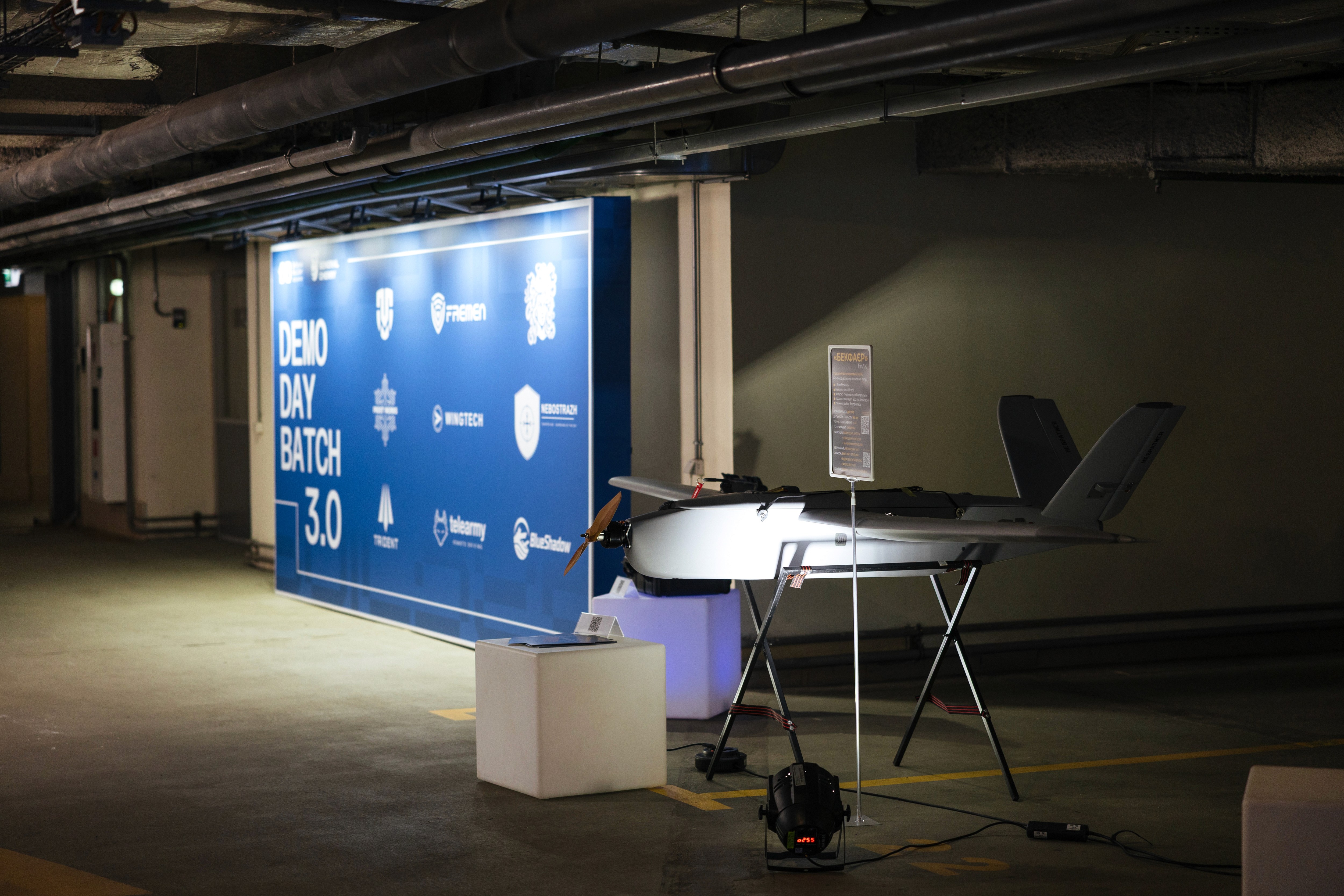
WingTech showcased HABA, a bomber UAV with a range of up to 600 km that launches via catapult and operates without GPS. Trident introduced an autonomous terminal guidance module that enables drones to complete missions even under heavy jamming, increasing strike accuracy from roughly 20% to more than 80%. Fremen presented a compact onboard self-protection module designed to shield reconnaissance drones from FPV interceptors.
Air defence and situational awareness
Frost Works unveiled VELES, an early-warning system for detecting low-flying threats such as Shahed drones. Danish company BlueShadow presented swarms of uncrewed surface vessels designed to intercept UAVs over the Black Sea. NEBOSTRAZH showcased an autonomous kinetic anti-drone turret capable of neutralising FPV threats at a cost of less than $50 per target. Another team, whose identity remains undisclosed, is developing microwave weapons to counter drone swarms and guided aerial bombs.
Ground robotics
TAUREX demonstrated a robotic platform capable of transporting more than 300 kg over distances exceeding 80 km for logistics and casualty evacuation missions. Telearmy presented its remote vehicle operation technology, which has already achieved a record control distance of 4,300 km.
“Strong technology is only half the equation. The other half is building a company capable of manufacturing, selling, and scaling it. Today, the industry, the Armed Forces of Ukraine, and governments expect a great deal from early-stage defence companies and that can be overwhelming for young founders. As an accelerator we take that responsibility seriously. Over four intensive months, we give our companies the best tools, experts, and conditions to keep pace with that reality, and they leave knowing exactly what needs to happen in the next 6, 12, and 24 months - from export control and NATO standards to supply chain. Our Demo Day exists to showcase exactly this progress," said Line Rindvig, CEO of Defence Builder Accelerator.
All participating teams received grant funding based on their performance throughout the accelerator programme. Teams could secure up to $65,000 in total support.
Each team received a baseline grant of $10,000 from Defence Builder, while top-performing participants received additional grants of up to $30,000:
Fremen — $30,000
WingTech — $20,000
Frost Works — $20,000
TAUREX — $20,000
“In a technological war, speed is everything: how fast a solution reaches the battlefield and how quickly a team implements direct feedback from the troops. Our ecosystem has proven its ability to scale solutions with incredible momentum — many innovators who received their first small grants from Brave1 just a few years ago have now grown into major companies systematically shifting the course of this war. Together with partners like Defence Builder, we help new startups maximize their speed along this path: from their very first pitch to deployment on the battlefield,” — noted Olya Popovych, Head of Ecosystem at Brave1.
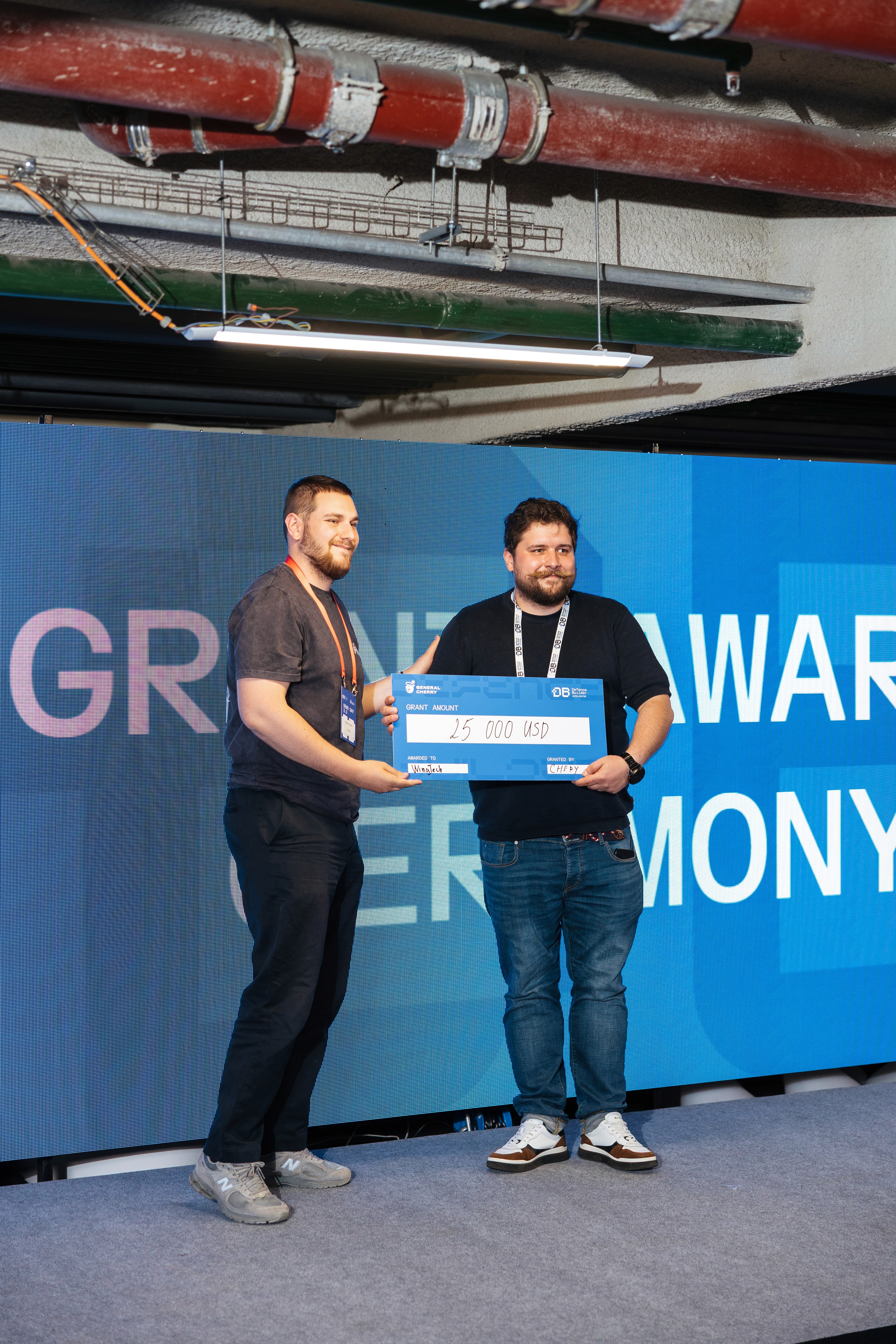
Separately, Demo Day 3.0 principal partner General Cherry awarded an additional $25,000 each to WingTech, Trident, NEBOSTRAZH, and Frost Works.
The company explained its selection:
“We deliberately chose to support teams that are already solving the challenges of tomorrow’s wars. Ukrainian defence-tech must evolve from isolated success stories into an ecosystem of mature manufacturers capable of scaling production, rapidly adapting technologies, and entering international markets. Defence Builder Accelerator has become one of the platforms where this transition is already happening in practice,” said Stanislav Hryshyn, Co-Founder and Director of Strategic Development at General Cherry.
Demo Day 3.0 brought together more than 250 participants, including representatives of the Armed Forces of Ukraine, the Ministry of Defence, the General Staff, NATO and international defence organisations, prime contractors, and specialised investors. In addition to the third-batch teams, portfolio companies from previous cohorts also presented their solutions at dedicated exhibition stands.







Читати Українською
Від дронів-бомбардувальників до морських перехоплювачів «шахедів»: Defence Builder завершив третій батч акселератора
Дев’ять українських і європейських defence-tech команд представили свої технології інвесторам, військовим і міжнародним партнерам на Demo Day 3.0 — фінальній події третього батчу Defence Builder Accelerator. Команди отримали гранти до $65 тис. від акселератора та головного партнера події — компанії «Генерал Черешня», провідної української defence-tech компанії, що спеціалізується на розробці та серійному виробництві передових безпілотних систем.
Demo Day завершила чотиримісячну поглиблену програму, у якій команди одночасно вибудовували компанію, доводили продукт у випробуваннях із бойовими підрозділами, а також налагоджували зв’язки з провідними інвесторами, юристами, провідними виробниками оборонної продукції, Державною службою експортного контролю України (ДСЕК), Офісом Європейської комісії в Києві, Brave1, Представництвом НАТО в Україні та ключовими експертами мережі Defence Builder. З учасниками працювали понад 30 менторів з оборонним і венчурним досвідом.
Бізнесовий трек охоплював юніт-економіку, юридичні структури для інвестицій, фандрейзинг і держзакупівлі. Військовий — тестування на полігоні та верифікацію продуктів військовими підрозділами. Окремий напрямок — міжнародні ринки: підготовка до due diligence за стандартами НАТО AQAP і вивчення вимог іноземних підрядників до партнерств у форматах JV та M&A.
«Лінія фронту, ваші підрозділи, акселератори на кшталт Defence Builder і ширша екосистема — Brave1, Diia.City, ініціатива Build in Ukraine, данська модель прямих закупівель — довели, що ви здатні впроваджувати, навчатися та ітерувати за тижні, а не роки. Це вже саме по собі є спроможністю, і НАТО уважно її вивчає. Тож значна частина моїх обов’язків — вчитися у вас», — сказав Вілл Тонкінс, радник НАТО з питань промисловості, закупівель, інновацій та об’єднаного забезпечення.
Defence Builder Accelerator працює з 2024 року. За цей час через програму пройшло понад 25 компаній, а сукупна оцінка учасників перших двох батчів перевищила 100 млн доларів.
«Україна вже вміє створювати оборонні технології під реальні задачі фронту. Значно складніше — перетворити окремі прориви на цілу індустрію, що працюватиме на країну й після війни. Саме для цього існує Defence Builder Ecosystem: вона поєднує технології, капітал і ринок, щоб сильні команди не залишалися поодинокими успіхами», — відзначила Дар’я Янієва, президент Defence Builder Ecosystem.
Рішення третього батчу доповнюють одне одного й закривають три площини сучасного бою, усі рішення на рівні TRL 3-8.
Ударні та автономні БпЛА. WingTech показала дрон-бомбардувальник HABA з дальністю до 600 км, що злітає з катапульти й працює без GPS. Trident — модуль автономного донаведення, який доводить дрон до цілі навіть під глушінням і піднімає влучність із 20% до понад 80%. Fremen — компактний бортовий модуль, що захищає розвідувальні дрони від FPV-перехоплювачів.
Протиповітряна оборона та ситуаційна обізнаність. Frost Works представила систему VELES для раннього виявлення низьколітних загроз на кшталт «шахедів». Данська BlueShadow — рої безекіпажних надводних дронів, що перехоплюють БпЛА над Чорним морем. NEBOSTRAZH — автономна турель для кінетичного ураження FPV дешевше ніж за $50 за ціль. Ще одна команда, чию назву поки не розкривають, працює над мікрохвильовою зброєю проти роїв дронів і керованих авіабомб.
Наземна робототехніка. TAUREX продемонструвала платформу, що перевозить понад 300 кг на відстань понад 80 км для логістики та евакуації. Telearmy — технологія дистанційного керування наземною технікою з рекордом дальності 4300 км.
«Сильна технологія – це лише половина рівняння. Друга половина – це побудова компанії, здатної виробляти, продавати та масштабувати її. Сьогодні індустрія, Збройні Сили України та уряди висувають значні вимоги до оборонних компаній на ранніх етапах розвитку, і це може бути надмірним навантаженням для молодих засновників. Як акселератор, ми ставимося до цієї відповідальності дуже серйозно. Протягом чотирьох інтенсивних місяців ми надаємо нашим компаніям найкращі інструменти, експертизу та умови, щоб вони могли рухатися в темпі цієї реальності. У результаті вони виходять із чітким розумінням того, що має відбутися в найближчі 6, 12 і 24 місяці, від експортного контролю та стандартів НАТО до ланцюгів постачання», – зазначила Ліне Ріндвіг, CEO Defence Builder Accelerator.
Всі представлені команди отримали грантову підтримку, яка залежала від результатів під час акселератора. Сумарно команда могла отримати до $65 тис.
Базовий грант для кожної команди від Defence Builder становив $10 тис., а команди з найкращими результатами під час акселерації додатково отримали до $30 тис. від Defence Builder.
Fremen — $30,000
WingTech — $20,000
Frost Works — $20,000
TAUREX — $20,000
«У технологічній війні вирішальне значення має швидкість: як швидко розробка потрапляє на фронт і як оперативно команда впроваджує відгуки військових. Наша екосистема довела, що здатна масштабувати рішення з неймовірною динамікою — чимало інноваторів, які ще кілька років тому отримували перші невеликі гранти від Brave1, сьогодні стали великими компаніями, що системно впливають на хід війни. Разом із партнерами, як-от Defence Builder, ми допомагаємо новим стартапам максимально прискорити цей шлях: від першого пітчу до роботи на полі бою», — відзначила Ольга Попович, керівниця екосистеми Brave1.
Окремо чотири команди відзначив головний партнер Demo Day 3.0 defence-tech компанія «Генерал Черешня», надавши WingTech, Trident, NEBOSTRAZH і Frost Works додатково по $25 тис.
Свій вибір у «Генерал Черешня» пояснюють так: «Ми свідомо підтримали команди, які вже сьогодні вирішують завдання завтрашньої війни. Український defence-tech має перейти від історій про окремі успішні рішення до екосистеми зрілих виробників, здатних серійно випускати технології, проходити швидко цикли адаптацій та виходити на міжнародні ринки. Defence Builder Accelerator став одним із майданчиків, де цей перехід відбувається на практиці», – зазначив Станіслав Гришин, співзасновник та директор зі стратегічного розвитку компанії «Генерал Черешня».
Demo Day 3.0 зібрав понад 250 учасників: представників Збройних Сил України, Міністерства оборони та Генерального штабу, NATO й міжнародних оборонних організацій, prime-виробників і профільних інвесторів. Свої презентаційні стенди розгорнули команди третього батчу, а також портфельні компанії попередніх наборів, які пройшли акселератор раніше.